

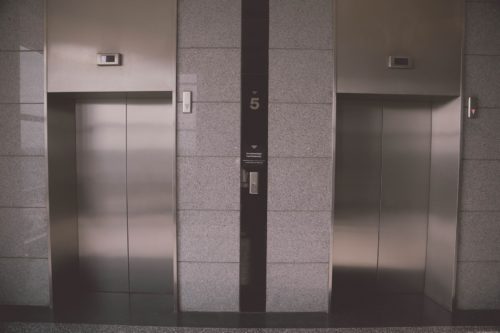
A pair of closed elevator doors with a gray, marbled wall background. The elevators have digital floor indicators above them. One is on the left, and the other is on the right. The floor number

If you were injured in an elevator accident in Pennsylvania, you may be entitled to compensation by proving another party’s negligence, including the property owner, maintenance company, or manufacturer. In order to recover damages, you must document evidence, identify liability, and act in accordance with state legal deadlines. As such, if you are someone who was injured in an elevator accident, you are most likely now seeking compensation to help with your recovery. Filing an elevator accident claim under Pennsylvania law required an understanding of how the state’s personal injury laws apply to liability, evidence, and compensation for damages. The following blog explores what you should know about the common causes, injuries, and legal options to protect your claims. Please read on and reach out to our experienced Pennsylvania personal injury attorneys to learn more.

What Causes Elevator Accidents in Lancaster County?

Many people are not fully aware of the variables present every single time they step foot in an elevator. Some of the most common causes of elevator accidents can include improper installations, neglectful maintenance, power failures, abrupt stops, negligent elevator design, drive malfunction, mechanical breakdowns, and more.

Common Causes of Elevator Accidents

  • Improper and inadequate systems and components
  • Failure to perform routine inspections and maintenance on these fixtures
  • Inadequate wiring and electrical malfunctions
  • Sudden drops, stops, and falls as a result of power failures
  • Defective and malfunctioning wiring and pulley systems
  • Negligent design or manufacturing
  • Mechanical breakdowns as a result of worn or defective parts

What Injuries Are Common in Lancaster County Elevator Accidents?

Elevator accidents can cause a wide range of injuries, some of which are severe, if not life-threatening. The severity of the injuries will depend on the nature of the malfunction and the circumstances surrounding the accident.

Most Common Elevator Accident Injuries

  • Back injuries, including sprains and strains, herniated discs, and spinal injuries
  • Head injuries, including traumatic brain damage, concussions, and whiplash
  • Crush injuries as a result of malfunctioning doors or leveling issues
  • Amputations or limb loss in severe accidents
  • Cuts, bruises, and lacerations
  • Wrongful death

How Do I Win a Personal Injury Lawsuit?

To win any personal injury claim, you will have to prove that you were injured due to another party’s negligence. However, elevator accidents are oftentimes more difficult to assign liability to. For example, if you were injured in an elevator accident, you would have to determine whether you are filing a premises liability lawsuit or a product liability lawsuit.

That is why it is always best to hire an attorney who has years of experience helping clients through the personal injury claims process. If you were injured due to a negligent property owner or landlord, you will file a premises liability lawsuit, whereas if you were injured due to a negligent product designer or manufacturer, you will file a product liability lawsuit.

To prove your personal injury claim, our firm will tirelessly work to recover various types of evidence, including photos or videos of the accident or safety hazard that caused the accident, police reports, witness statements, medical documents, and more.

Evidence Needed to Prove Negligence

  • Photos and videos of the hazardous conditions
  • Medical records linking your injuries to the accident
  • Maintenance and inspection records
  • Documentation or prior complaints
  • Incident reports filed with property management
  • Witness statements from those present at the scene of the accident

What Steps Should I Take Immediately Following an Elevator Accident in Pennsylvania?

When you are injured in an elevator accident in Lancaster or York Counties, it can be incredibly overwhelming to navigate. Though you may be stressed and in pain, understanding the steps you should take to navigate this complex process is imperative. Navigating these matters carefully is crucial to protecting not only your legal rights but also your health and well-being.

Immediate Actions to Take

  • Seek immediate medical attention, even if injuries appear minor or you feel fine
  • Report the incident to your building management or the owner of the property where you were injured
  • Call emergency services to obtain a report and immediate medical care
  • Take photos and videos of the hazardous condition
  • Gather the names and contact information of those present at the scene
  • Request a copy of the incident report
  • Do not discuss fault or provide statements to insurance companies without first consulting an experienced attorney

How Long Do I Have to Sue Another Party for an Injury in Pennsylvania?

Elevator accident claims in Pennsylvania civil courts, including those in Lancaster and York Counties, where local procedures and filing requirements must be strictly adhered to.

In Pennsylvania, individuals have two years from the date of their accident to file a personal injury claim. This is known as the statute of limitations. If you wait any longer than two years, however, you will most likely be denied your right to sue.

Contact Our Experienced Pennsylvania Firm

There is nothing worse than sustaining injuries at the hands of a negligent party. Now, you must recover physically, and you must also find a way to pay for your recovery. Luckily, the team at the Law Offices of Ilkhanoff & Silverstein is ready to assist you during these difficult times. This is why if you or someone you know has sustained injuries due to another party’s negligence, you must contact our Lancaster County firm today. An attorney who is willing to fight for your right to a smooth recovery can make all the difference.